 ™
™
Working capital between the port and the sale.
Trade ties cash up in transit — goods paid for, freight and duty settled and a container weeks at sea before a customer pays. These plain-English notes look at how short-term finance fits a UK importing or exporting company, and on every one, the company borrows, never you personally. No personal guarantee.
Few trades carry the gap between money out and money in for as long as import and export. You pay the maker, the freight forwarder and the duty at the port weeks — often months — before the stock lands, clears and finally sells. The money is real; it is just sitting in a container.
Creditcorp is the growing name for the Credicorp group, and Credicorp Limited is the lender behind it. It does one thing: short-term working capital for incorporated UK businesses. This page is a guide, not an application — when you’re ready, applying happens on the lender’s own site, credicorp.co.uk.
Throughout, the borrower is the company — a UK private limited company (Ltd), LLP or PLC — not the director who signs. No personal guarantee, no charge over a home, no personal credit check on a director. These are not personal loans, payday loans or sole-trader finance.
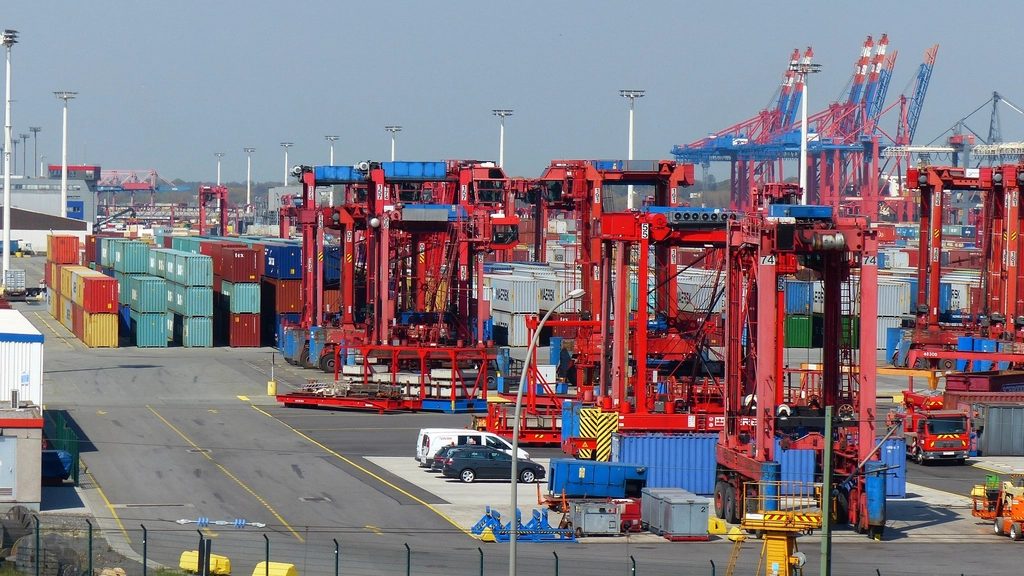
Where the cash-flow gaps come from
Trade money leaves the business early and in big, lumpy commitments, then comes back slowly as stock is sold through. Four pressure points show up again and again.
Stock paid for before it sells
Wholesalers and traders commit to a whole shipment up front. Overseas suppliers usually want a deposit to start production and the balance before the goods leave — there is no buying on your own terms when a factory is across the world. So the business funds an entire container long before a single carton is invoiced to a customer.
Shipping and duty up front
The goods are only part of the bill. Sea or air freight, insurance, import duty and the VAT at the port all fall due around arrival — before the stock has earned a penny. For a container of any size that stack of charges can rival the cost of the goods themselves, and it lands all at once.
FX timing
Pay a supplier in dollars or euros today, get paid by your customer in sterling weeks later, and the timing alone can force an awkward conversion just to free up cash. The exposure is real, but so is the simpler problem underneath it: money going out in one currency well ahead of money coming in.
Container lead times
Production time plus weeks at sea means cash can be locked away for months between paying a maker and selling what arrives. A delayed sailing, a customs hold or a quiet quarter stretches that gap further — and the next order’s deposit is often due before the last container has cleared.
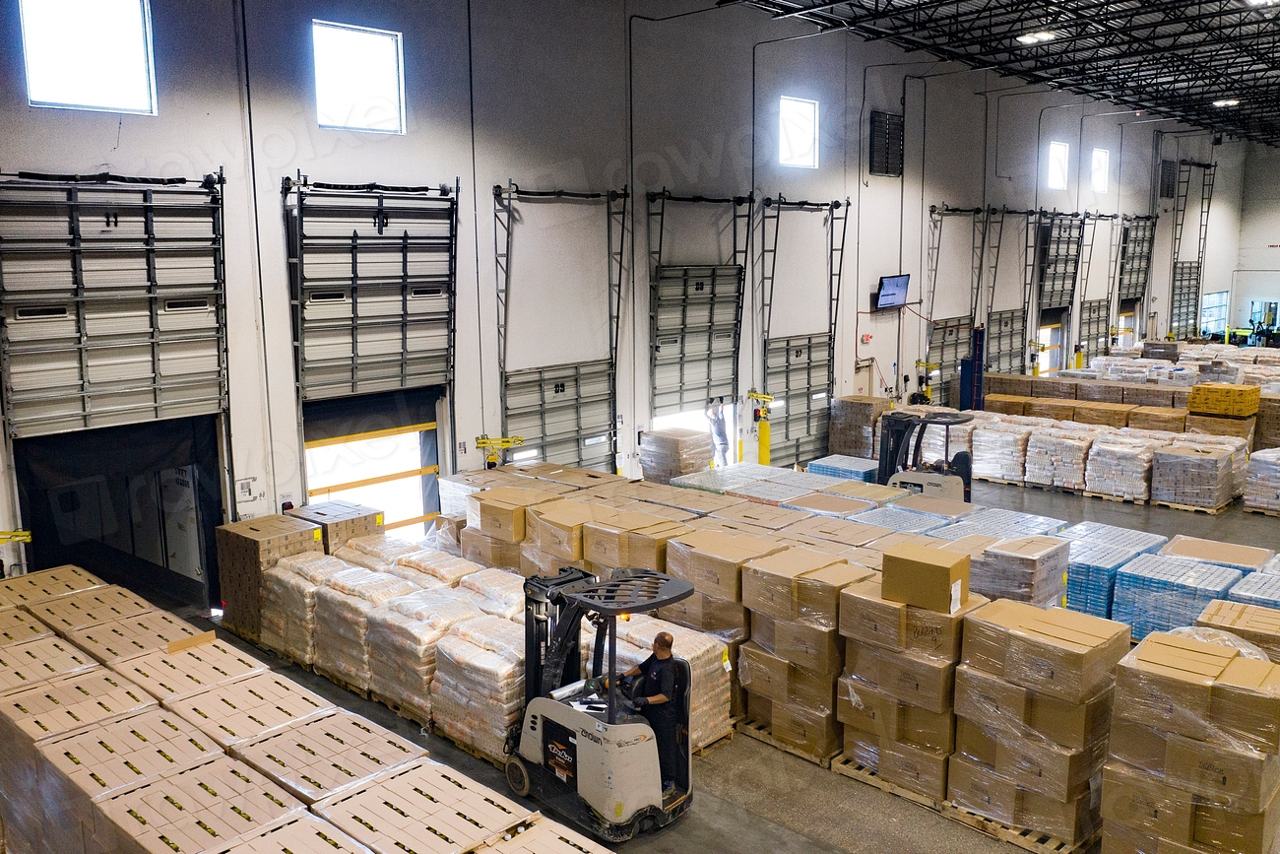
Which kind of finance fits a trader
Three shapes of short-term working capital, and how each tends to land in import and export. The detail — amounts, pricing, terms — lives on the products page and with the lender; we won’t quote figures here.
A Business Bridging Loan — for a single shipment
A single lump sum, repaid over a short fixed term. It fits the import jobs you can put a figure on: one container of stock, the freight and duty that come with it, a one-off bulk buy to hit a supplier’s price break. You know the cost and you can see the sell-through that will clear it. More on the Bridging Loan →
Credicorp Flex — for a rolling shipping cycle
A revolving facility the company can draw on, repay and draw again. This suits a trader whose money is always part-way through a shipping cycle — one container being paid for while the last is still selling through — without arranging fresh finance for every order. More on Credicorp Flex →
Credicorp Slice — for a single supplier or freight bill
Spread one invoice over a few weeks while it is paid in full today. Handy when a supplier’s balance, a freight forwarder’s account or a duty bill lands at an awkward point in the cycle and you’d rather smooth it across the weeks the stock takes to sell. More on Credicorp Slice →

The company borrows — not you
Traders already put large sums on the line for suppliers, forwarders and HMRC, and plenty have signed personal guarantees they didn’t love along the way. The Credicorp model is the other way round: the agreement is between Credicorp Limited and your company, so the finance itself doesn’t add to what’s pinned to your own name.
- No personal guarantee — the company is the borrower, full stop.
- No charge over your home — your house isn’t security for a container of stock.
- No personal credit check on a director — the lender looks at the business, not your own file.
- Bodies corporate only — UK Ltd, LLP or PLC, never a sole trader or an individual.
This is exempt business lending under Article 60B of the FSMA Regulated Activities Order 2001, not consumer credit. The full regulatory position — and the company and trade-mark detail behind the group — is set out on the group site, creditcorpgroup.co.uk.
A worked example
An illustration, not a real customer — just to show the shape of it in import and export.
An importer trading as a UK limited company brings in homeware and kitchenware from Asia and sells it on to independent retailers. To hit the supplier’s price break it commits to a full container, paying a deposit to start production and the balance before the goods sail. On top of the goods, the freight, insurance, import duty and VAT all fall due around arrival — weeks before the retailers it supplies will settle their own invoices, and longer still before the container has sold through.
Because this is one known shipment with a clear sell-through behind it, a fixed-term Business Bridging Loan to the company covers the goods, freight and duty as a single sum, repaid over the weeks the stock takes to clear. The agreement is with the company, so the owner gives no personal guarantee and puts no charge over their home. As the business settles into a steady rhythm of overlapping containers, a Credicorp Flex facility would let it draw against the next shipment while the last is still selling — without starting a fresh application each time.
Import & export funding questions
The questions importers, exporters and wholesalers ask most. For anything specific to your business, the lender’s team are at credicorp.co.uk.
Can my import company borrow to pay for a container of stock before it sells?
Yes — paying for goods, freight and duty long before the stock clears your warehouse is the classic import working-capital gap, and it is one of the most common reasons a trader uses short-term finance. The outlay is time-boxed: you commit now and earn it back as the container is sold through. A Business Bridging Loan suits a single, known shipment; Credicorp Flex suits an importer running a steady stream of containers. The specifics live with the lender at credicorp.co.uk.
Does the finance cover shipping, duty and VAT — not just the goods?
It is working capital, so the company decides how to use it. Importers routinely face the supplier invoice, sea or air freight, insurance, import duty and the VAT bill at the port more or less together — well before a customer pays. Short-term finance to the company can bridge that whole stack, not only the cost of the goods themselves. The lender will talk through what fits your shipment.
How does the long lead time on a container affect the funding I need?
Ocean freight from Asia can mean weeks at sea on top of production time, so cash can be tied up for months between paying a maker and selling the stock that arrives. The longer that lead time, the longer the gap a facility has to span. A revolving Credicorp Flex line tends to suit traders whose money is always part-way through a shipping cycle, rather than arranging a fresh loan for every order.
We get paid in one currency and pay suppliers in another — can finance help with FX timing?
Credicorp does not deal in foreign exchange, but the cash-flow side of FX timing is exactly what short-term finance smooths. When a supplier must be paid in dollars or euros today while your customer settles in sterling weeks later, a bridge means you are not forced to convert or pay at an awkward moment just to free up cash. Pair the funding with your own FX provider and ask the lender how the timing tends to work at credicorp.co.uk.
Will I have to give a personal guarantee or a charge over my home?
No. Credicorp lends to the company — your UK limited company, LLP or PLC — not to you as a director. There is no personal guarantee, no charge over a home and no personal credit check on a director. For a trader who already commits large sums to suppliers and freight forwarders, keeping the funding itself off your own name is a genuine difference.
Is this a consumer loan or a payday loan?
Neither. This is business credit to a body corporate, not consumer credit, and it is not for sole traders or anyone borrowing in their own name. Under Article 60B of the FSMA Regulated Activities Order 2001, lending to a UK company sits outside the consumer-credit regime. The full position is on the group site, creditcorpgroup.co.uk.
More general questions are answered on the FAQ, and the whole journey is on the how-it-works overview.
Related sectors
Import and export shares its cash-flow shape with the trades it supplies and the carriers it relies on.
- Wholesale & distribution — the next link in the chain, buying in bulk to hit a price break and waiting on stockists to pay.
- Logistics & transport — the freight and haulage that move a container inland, carrying their own long payment terms.
- E-commerce & online — importing inventory before a peak, with marketplace payouts to wait on.
Or browse the whole set on the industries hub. Company and legal detail for the group lives on creditcorpgroup.co.uk.
Ready when you are
Whatever your next shipment needs funding for, applying, drawing down and managing your account all happen on the lender’s site, credicorp.co.uk.